

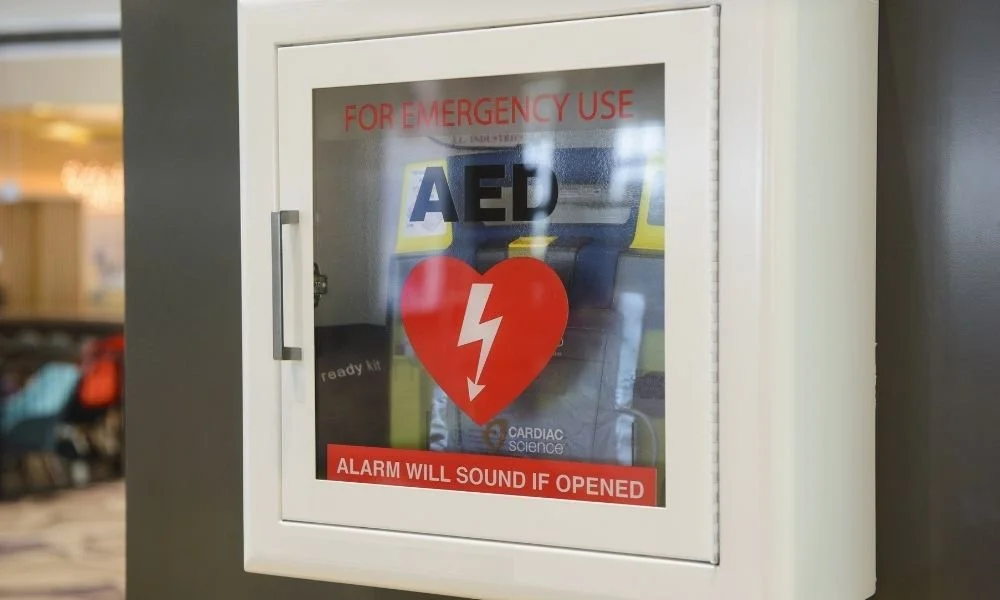
Learning What an AED Device Is
Life-saving technology is critical, but you need to understand its purpose and functionality. When learning what an AED device is, there are plenty of important facets to discern. Here is a quick overview of the basics.
How To Get Your BLS Certification
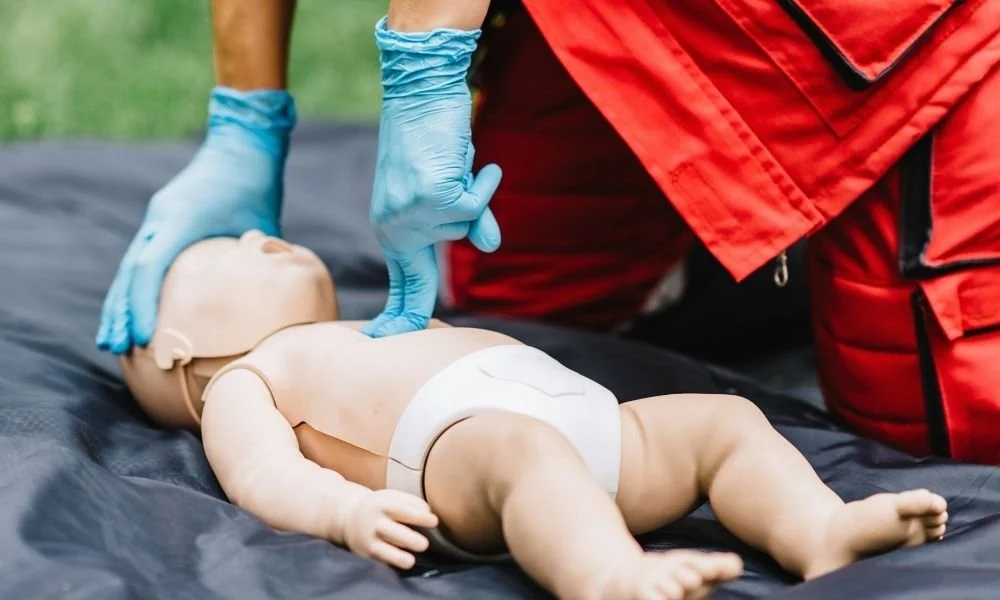
Basic Life Support, or BLS, is a certification obtained by taking a course in life-saving techniques. No matter what medical profession you are in—nurse, nursing student, paramedic, dentist, EMT—there are many reasons your employer may want you to become certified in basic life support. Here are the basic steps for how to get your BLS certification.
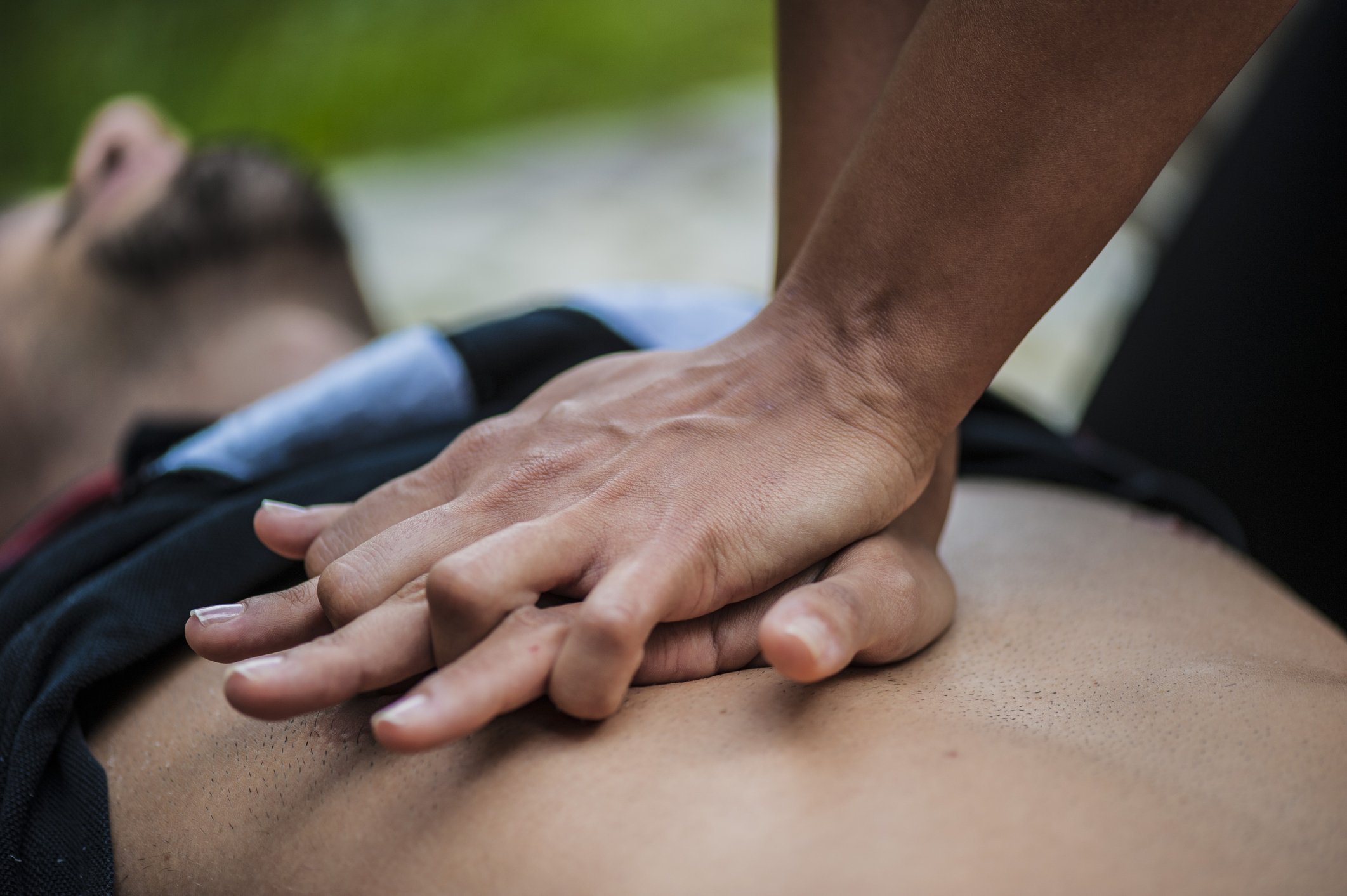
COVID-19 and CPR, What we are doing to protect you.
UPDATE: As of April 8th at 8:00PM We ARE OPEN for all regularly scheduled BLS Provider CPR AED courses for Healthcare Providers and all Medical Professionals, Pharmacists, Hospital Staff, and Hospital Support Staff.
Register for a BLS Provider CPR course or a BLS Provider Renewal Course.
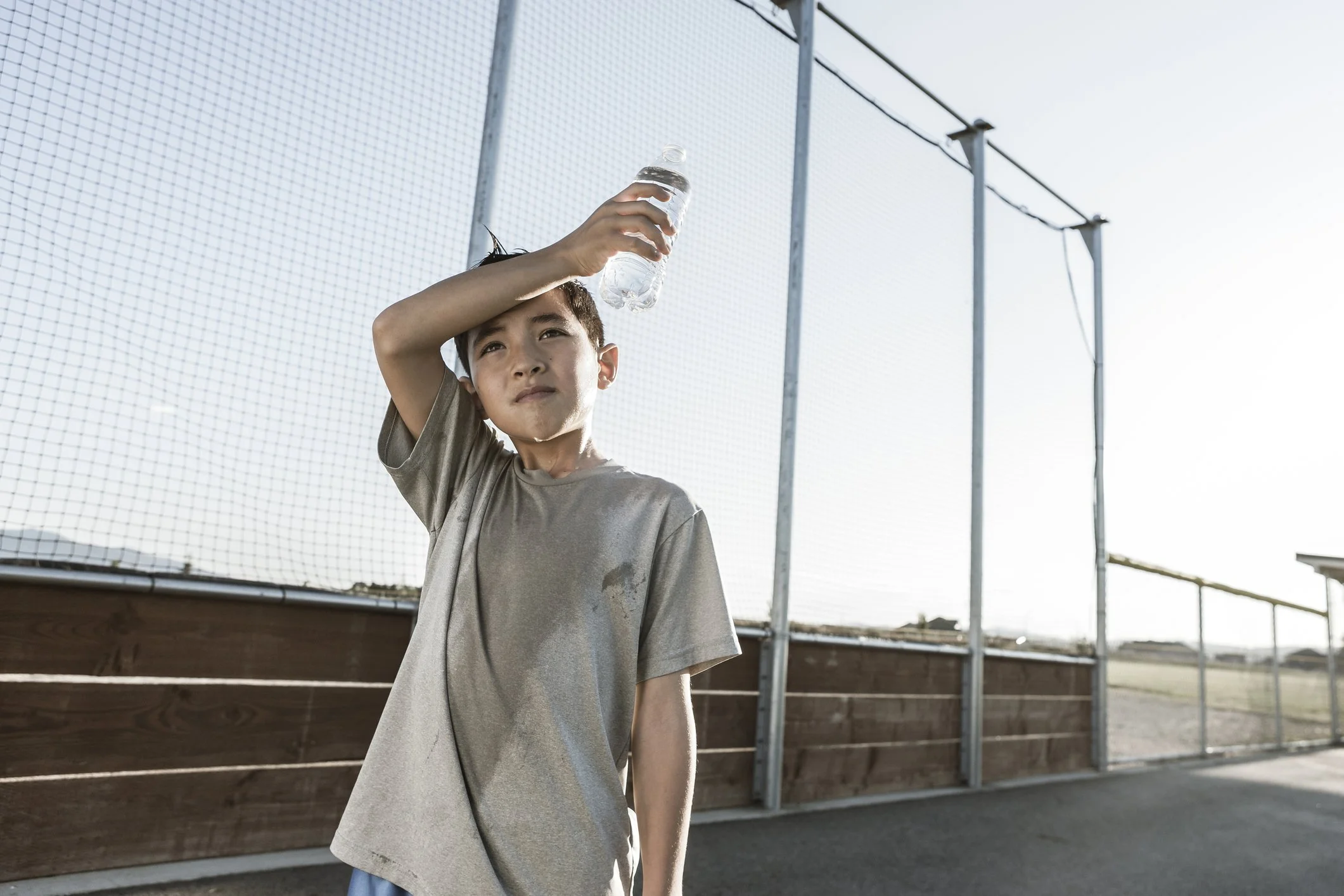
Beat the Heat! How to Help Someone Suffering from a Heat Emergency
Heat emergencies occur when a person's body overheats from hot temperatures and dehydration. It is critical to identify early signs of a heat emergency because without early treatment, symptoms can worsen and become life-threatening. Your quick actions could save a life.
There are 3 types of heat emergencies in order from least-to-most severe:
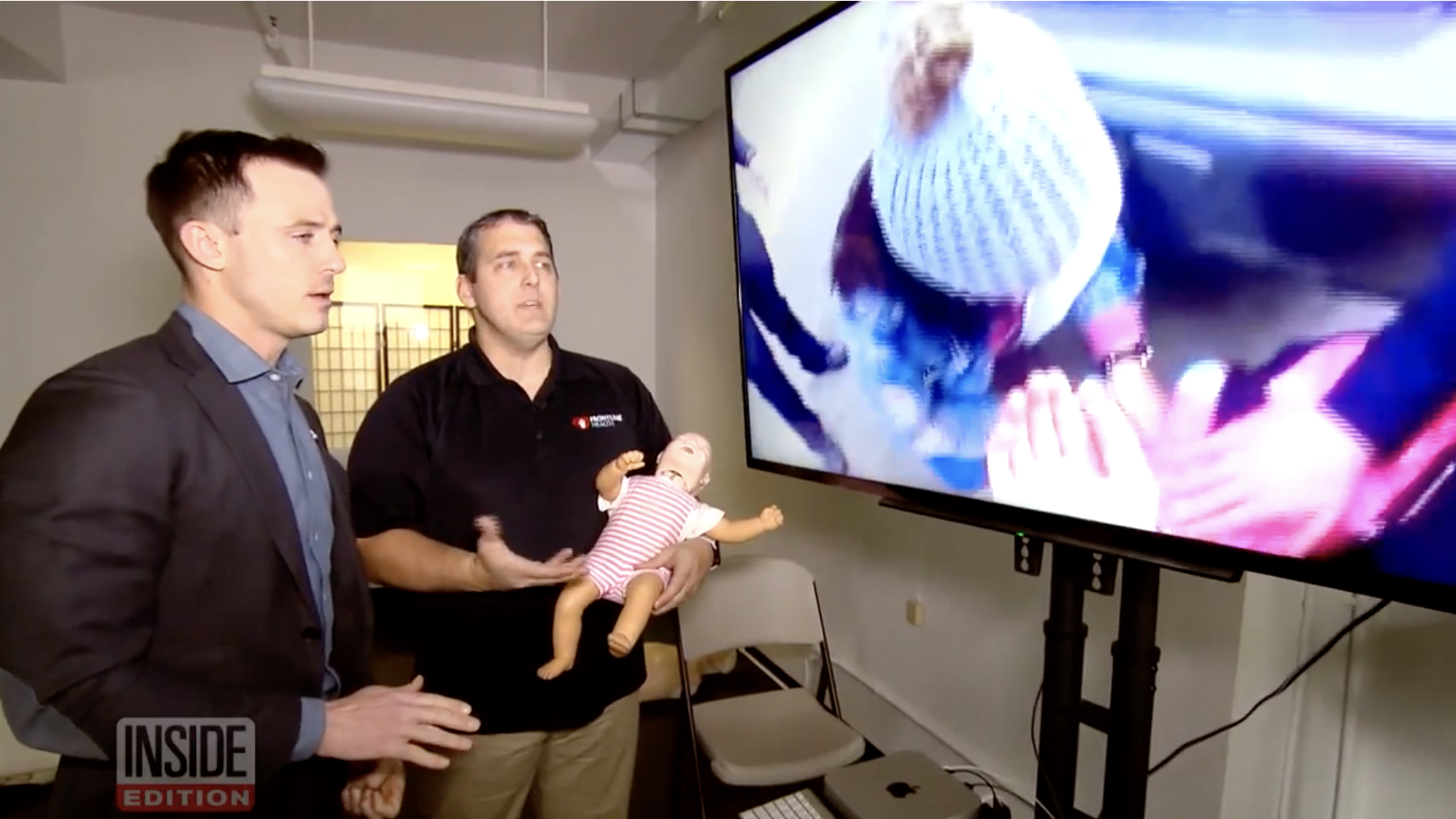
Frontline Health's Shane Woodall on National TV: How to Save a Choking Baby
Frontline Health President Shane Woodall recently appeared on Inside Edition to discuss the lifesaving efforts of two police officers who heroically saved a baby from choking to death.
Shane commended the officers on a job well done and reviewed the proper steps for relieving choking in an infant victim.
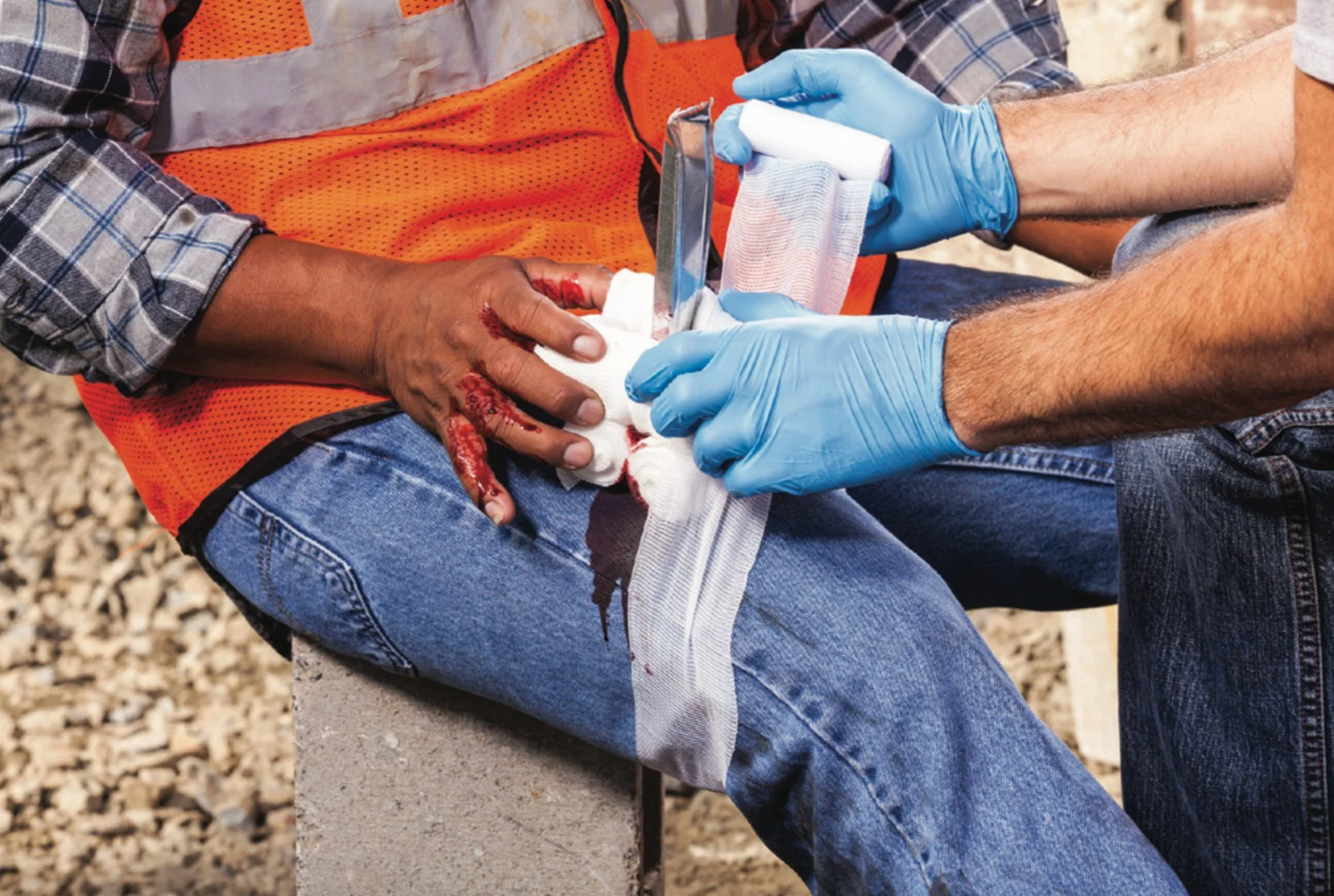
Don't Remove an Impaled Object!
How to care for a person with an Impaled Object?
An penetrating injury occurs when an object enters the body, causing a wound. Sometimes the object will remain stuck in the body. For example, a large piece of glass, wood or metal might be seen sticking out of the wound.
Here's the #1 rule: Do not remove the impaled object..

Brrr! How to recognize and treat hypothermia!
Living in New York means enduring harsh winters, including snow, freezing wind and icy sidewalks. To protect yourself from serious injury, it's important to recognize the signs and symptoms of HYPOTHERMIA.

Healing Head Trauma: How to Spot a Concussion
A concussion is a common type of brain injury that involves temporary loss of brain function. Concussions can occur from any injury to the head. The injury may be minor (a small bump) or something more significant like a baseball strike to the head.
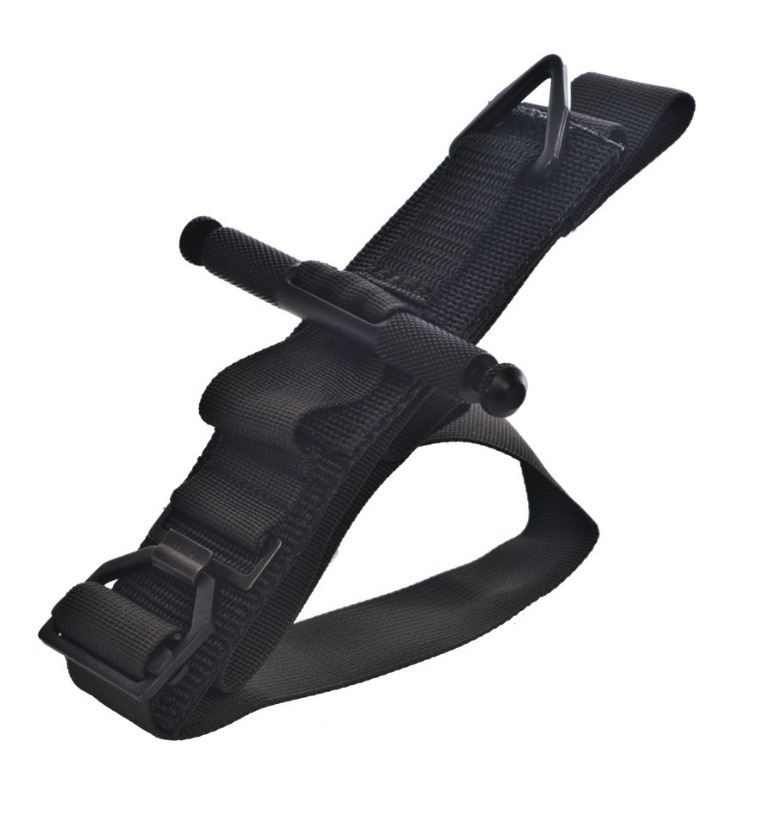
Severe Bleeding: How to Use a Tourniquet
When should I use a Tourniquet?
- Severe, life-threatening bleeding to the arms or legs that cannot be controlled with direct pressure.
- A wound in a physical location that makes it impossible to apply direct pressure (e.g., a person with a leg trapped under a rock).
- Gunshot injuries or bomb blast wounds in an unsafe scene.
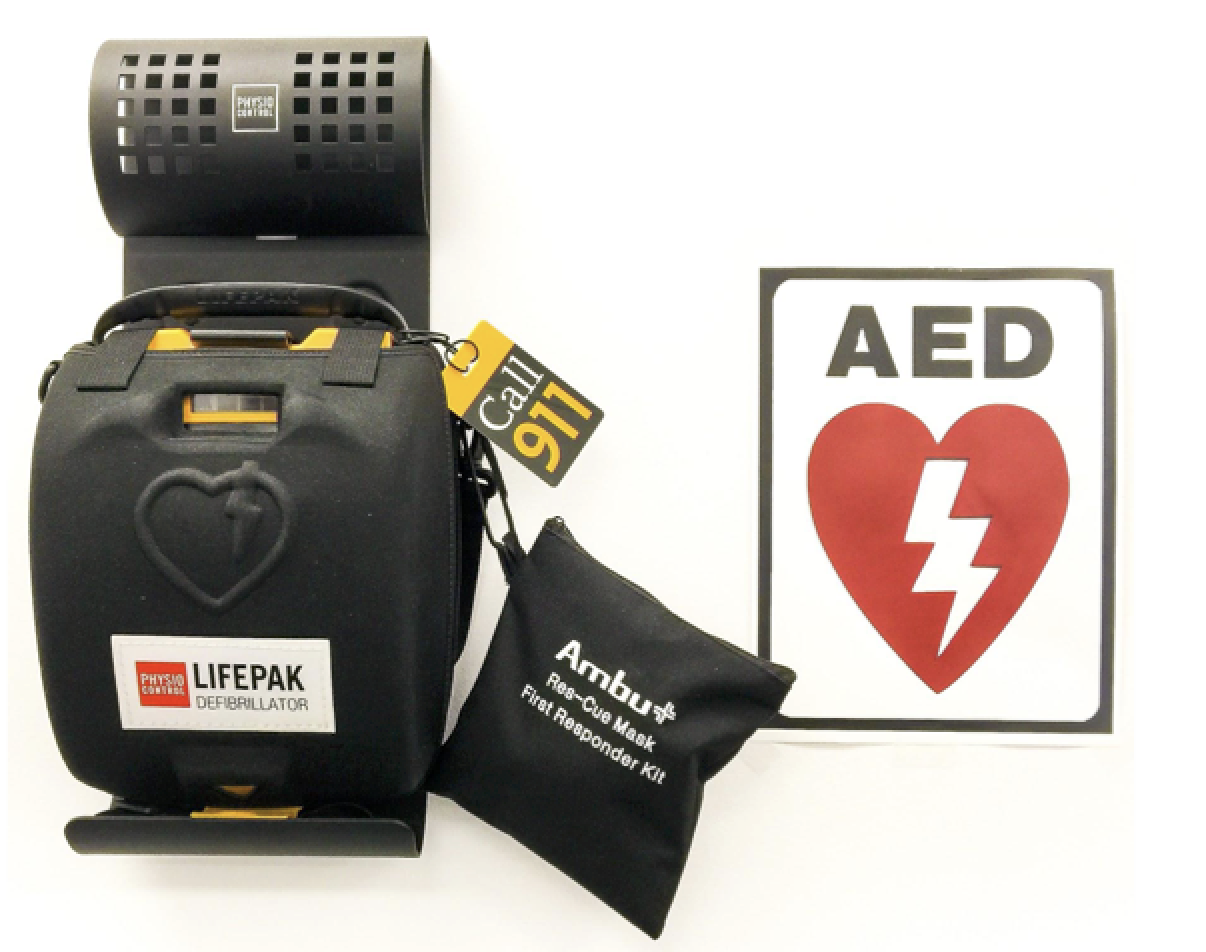
Why Should I Purchase An AED?
Each year, over 350,000 Americans die from Sudden Cardiac Arrest outside of a hospital. Cardiac arrest is a condition in which someone’s heart suddenly stops beating effectively. Unless quickly treated, a person who suffers cardiac arrest will die.
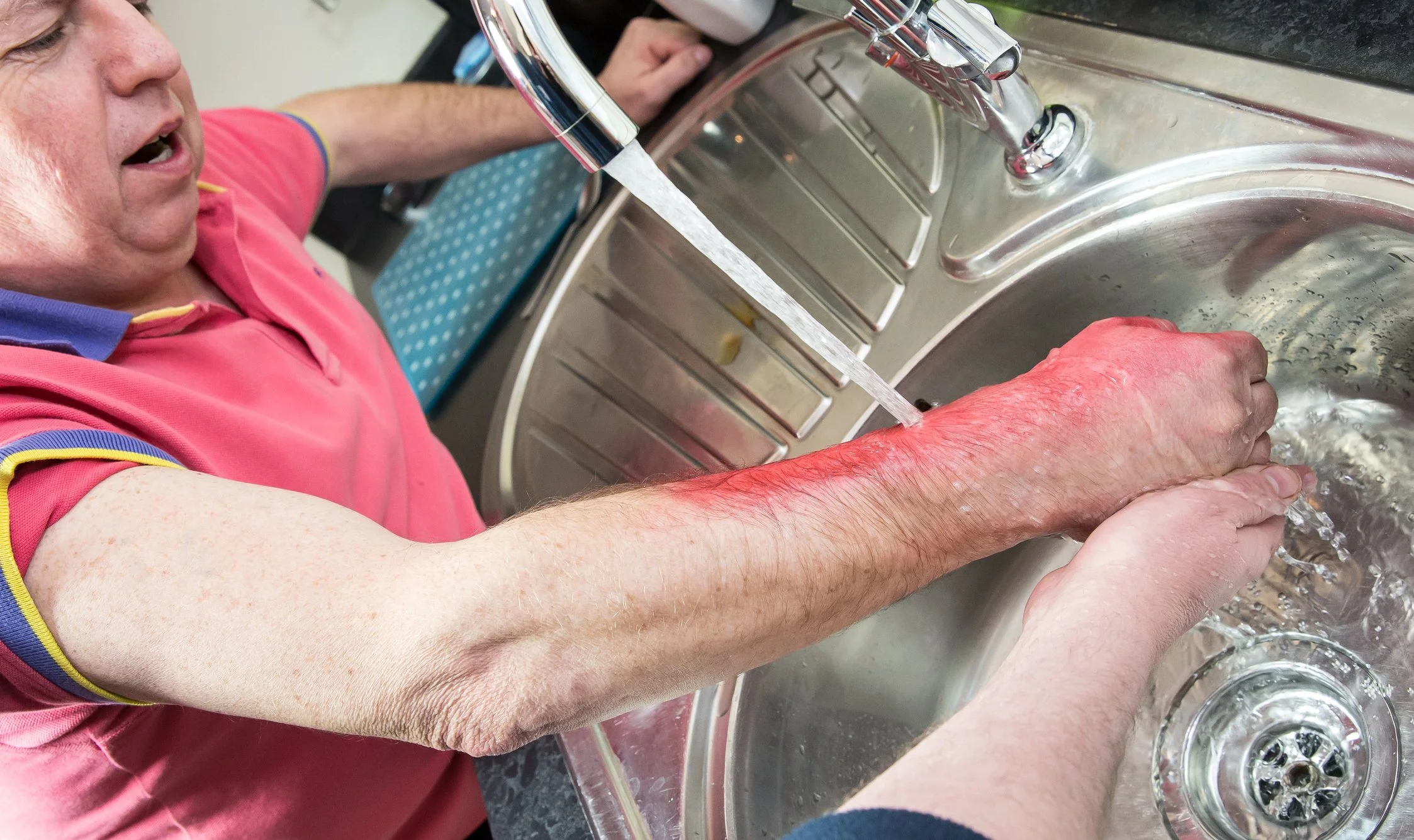
Don't Use Butter! How to Safely Treat Burns.
How do I know if a burn is severe?
Burns range from minor to severe. Severe burns, include:
Burns to children younger than 5 years old.
Burns to adults older than 60 years old.
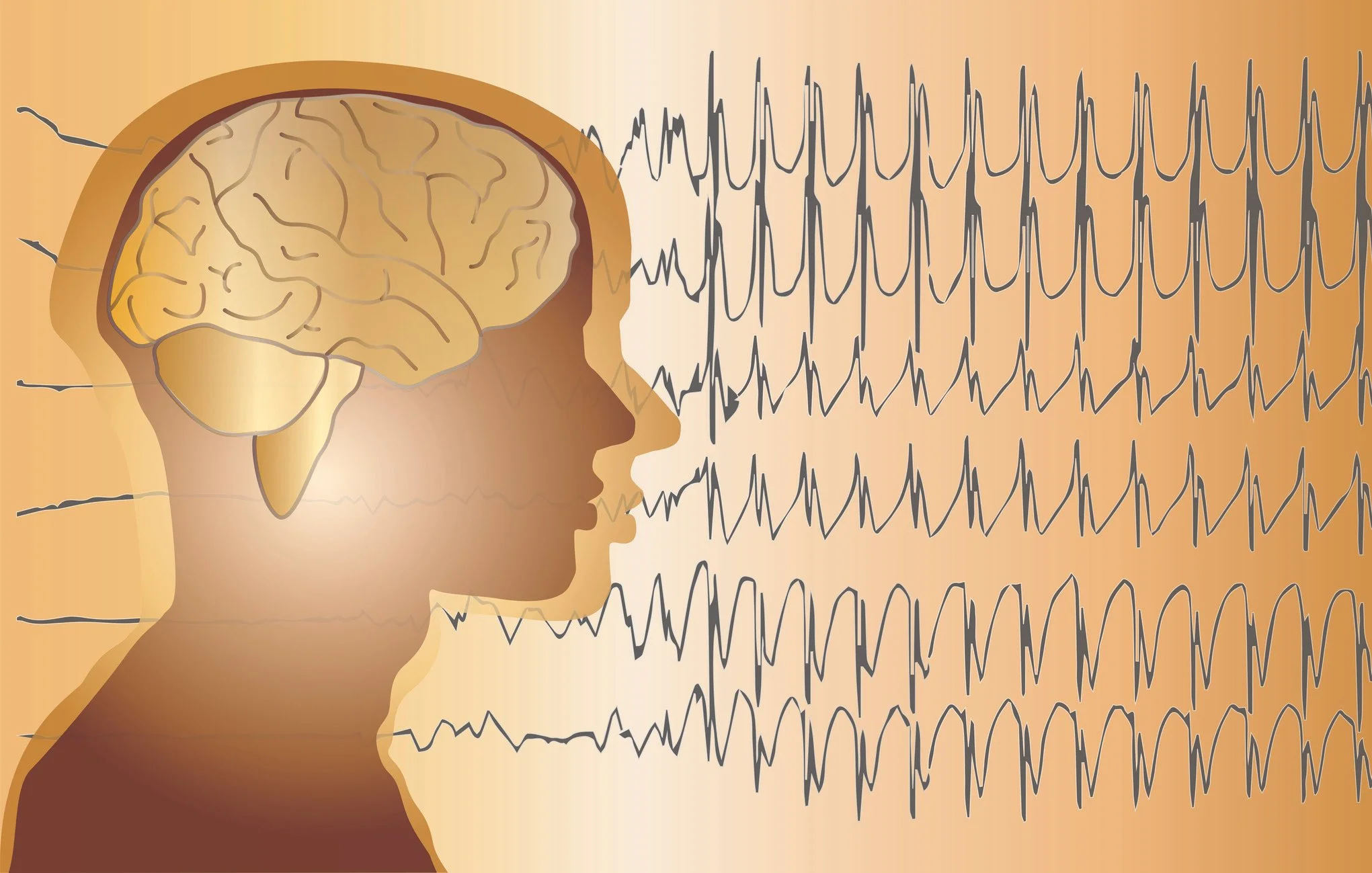
Someone's seizing on the train! What should you do?
You're riding the A-train express between 59th and 125th street. As the train picks up speed, you hear a commotion at the end of the car - an elderly man has suddenly starting seizing violently. His arms and legs tense and jerking, eyes rolled up so all you can see is white, bloody foam pouring from his mouth.
What should you do?
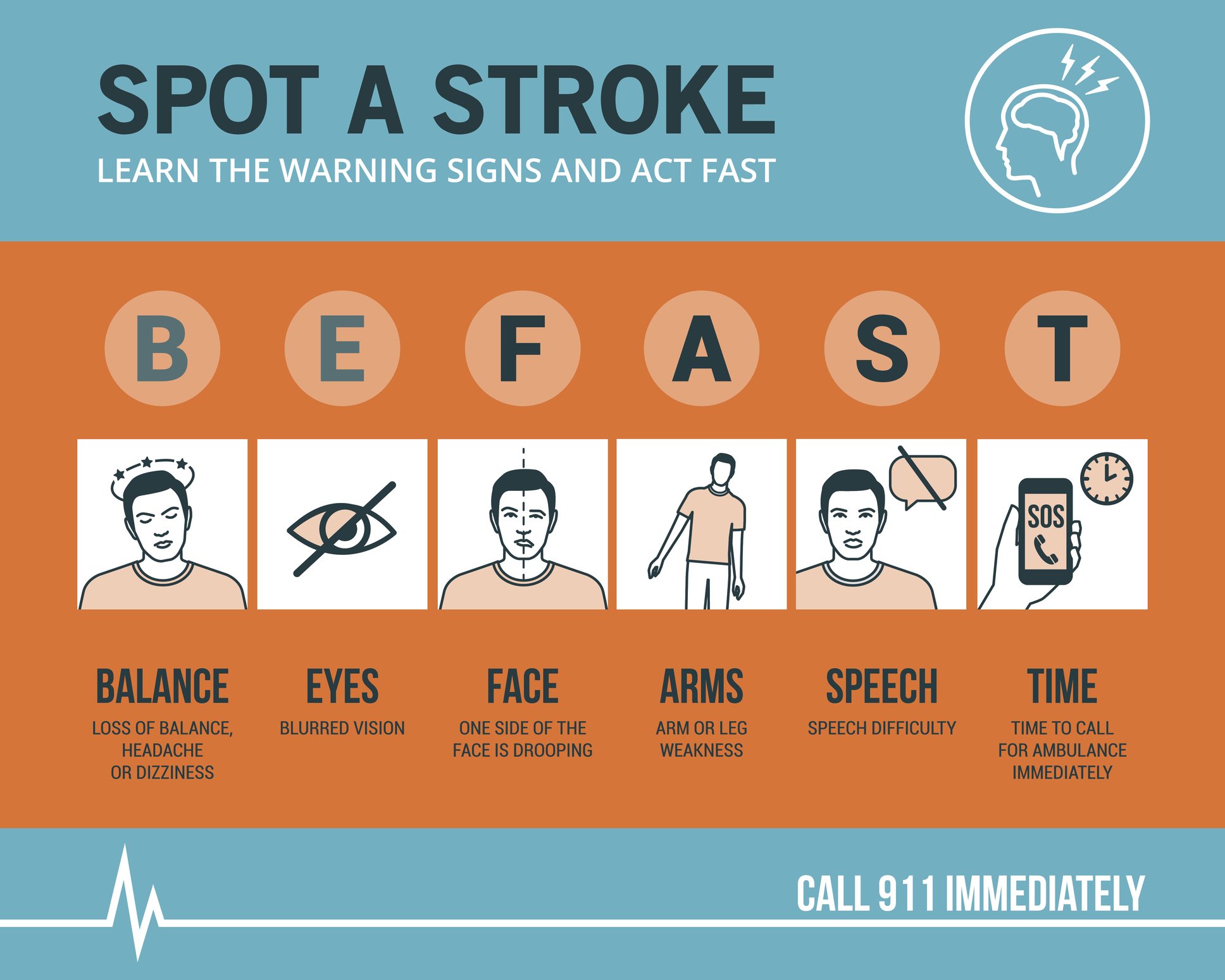
Think FAST! Is your loved one having a stroke?
Stroke can occur very suddenly and without warning when a blood vessel in the brain becomes blocked or bursts.
It can affect people of all ages (not just the elderly!)
A stroke can cause permanent brain damage or even death
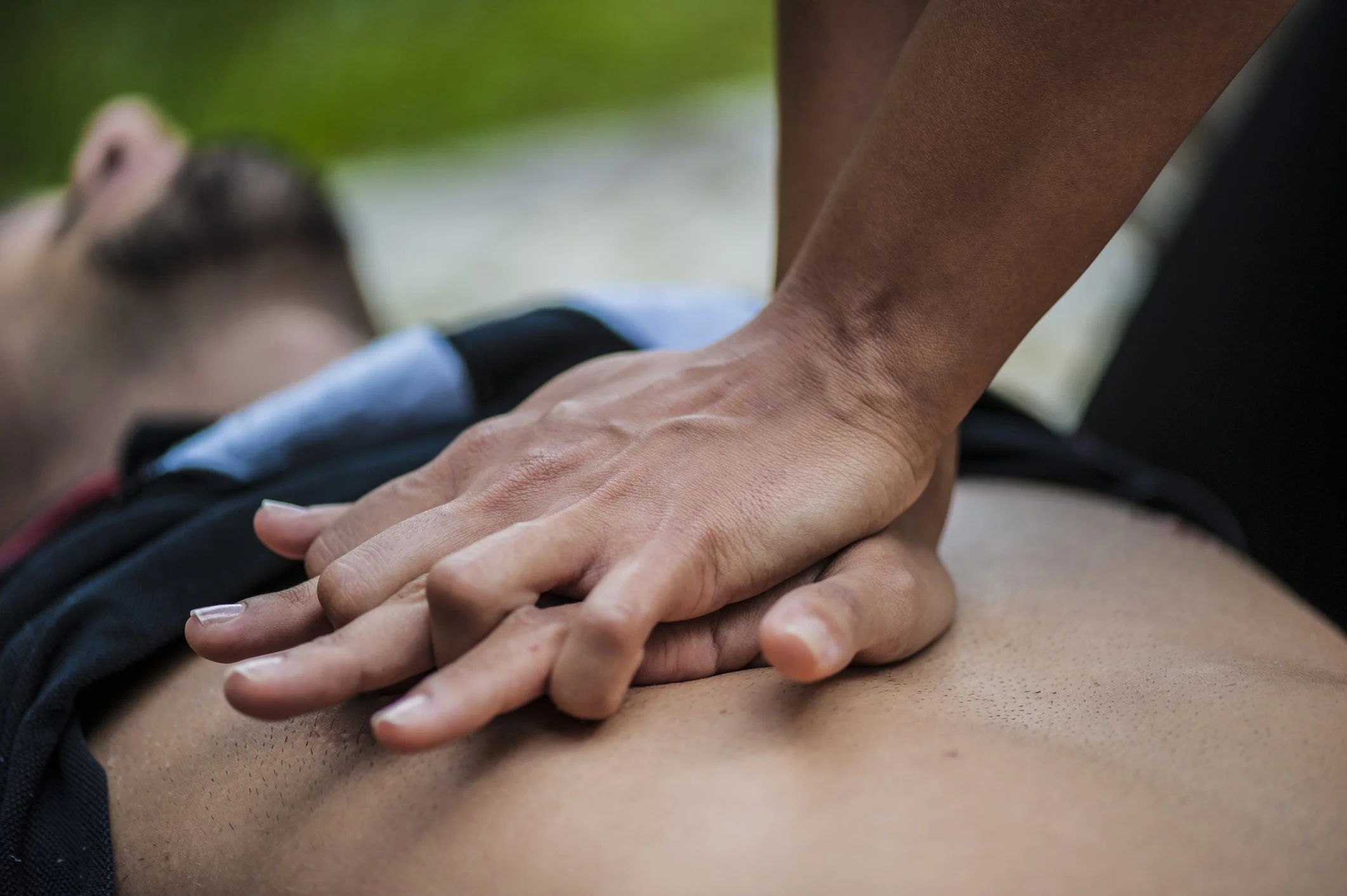
How can I tell if someone needs CPR?
Your friend collapses at the gym and becomes unconscious!A bunch of people run over, but no one seems to know how to help... Should you begin CPR?These situations can often be scary. To help you remember what to do, it's best to keep things simple:
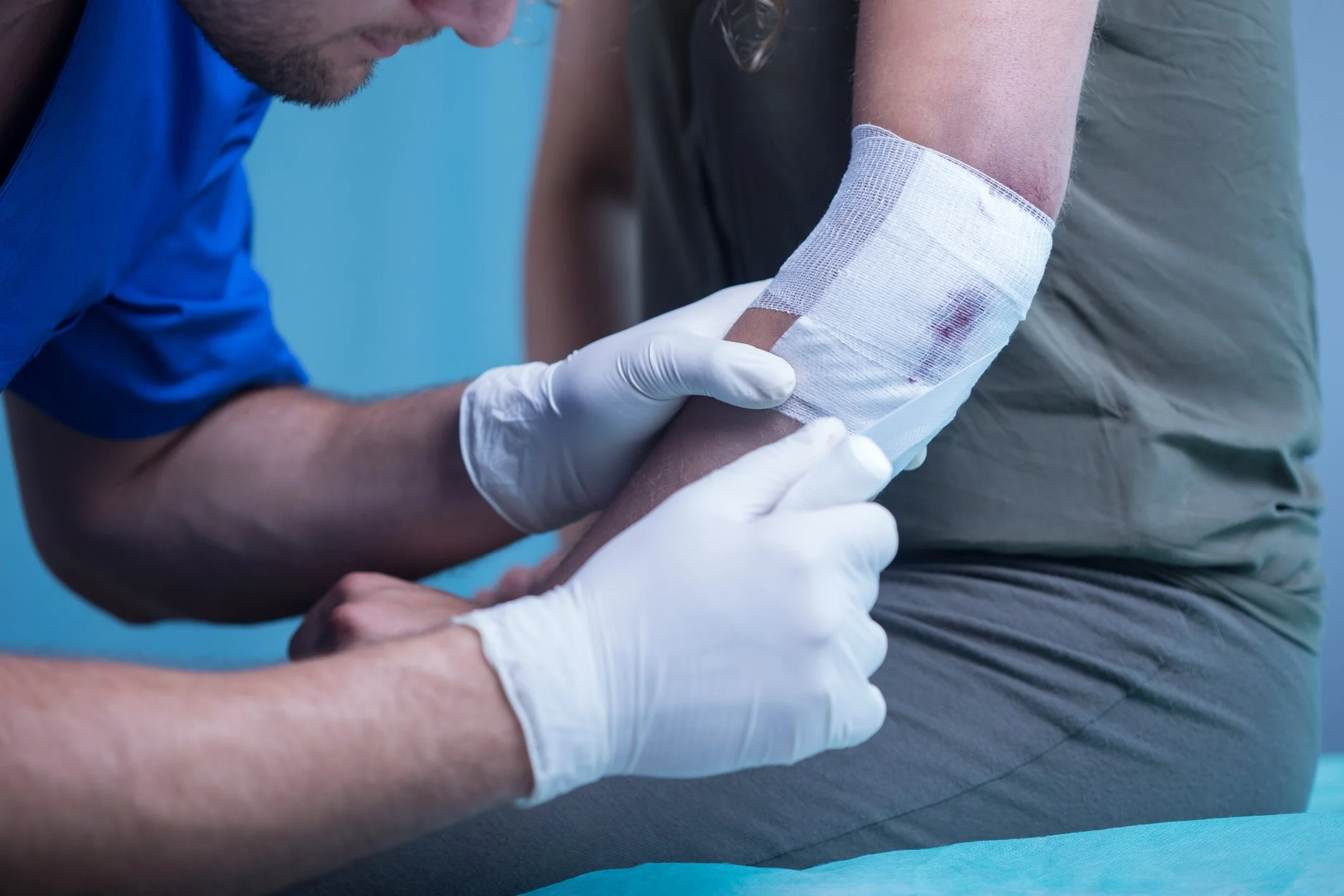
Ouch! You're bleeding! What should you do?
For major bleeding, send someone to call 9-1-1
Take gauze from a first aid kit and apply hard, consistent pressure directly on top of the wound.
If you don't have gauze, use any clean piece of cloth instead.
If blood soaks through the first piece of gauze, do not remove it. Taking off old gauze might tear out clots and cause bleeding to worsen.
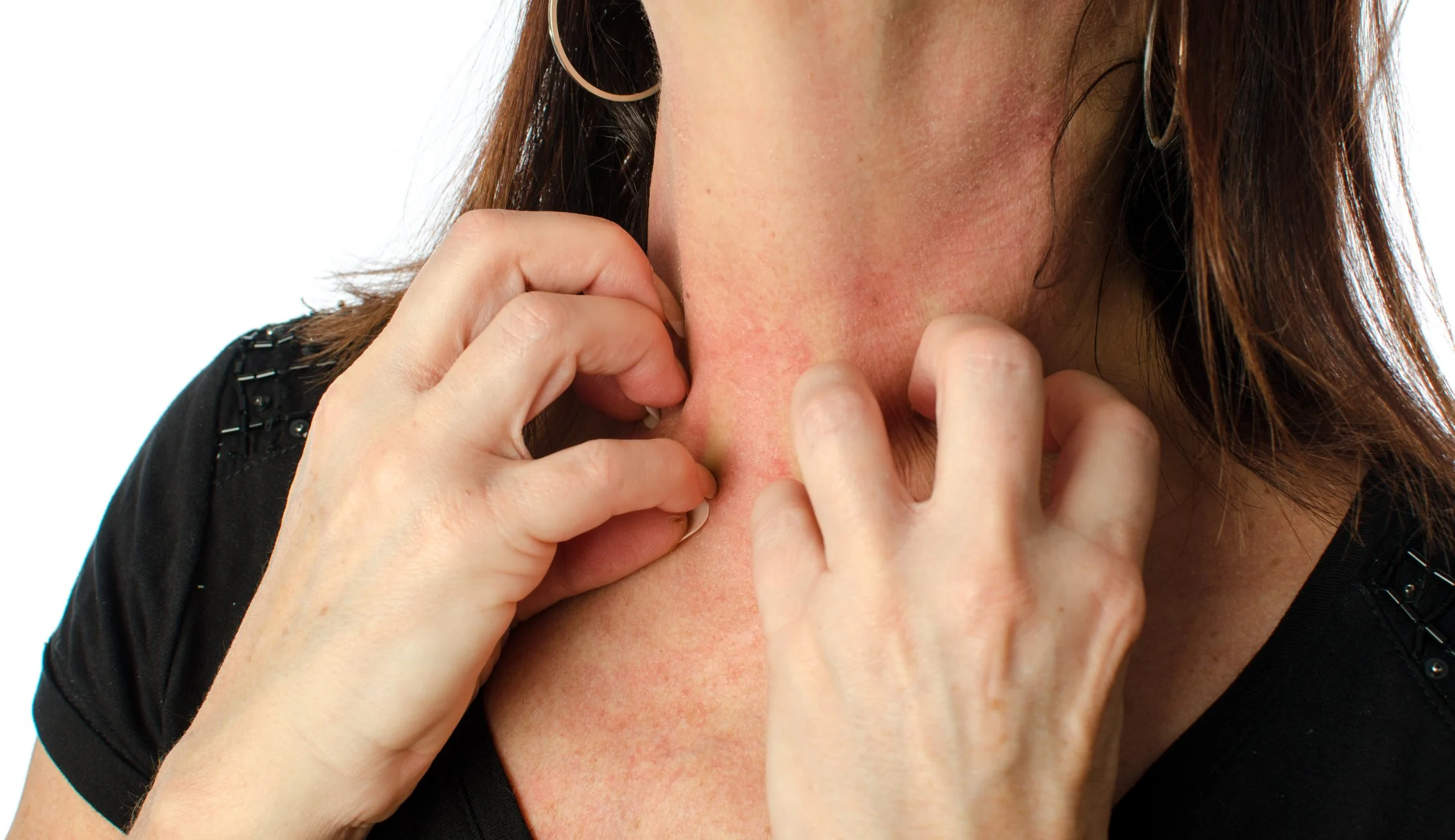
Allergic Reaction! Act fast.
Allergic reactions are common in both adults and children. In some cases, allergic reactions are mild and may produce sneezing, itchy eyes and small rashes. But for others, allergic reactions are much more severe. These life-threatening reactions are called "anaphylaxis."

Take a Breath! How to Help During an Asthma Attack
Asthma is a chronic medical condition in which certain substances and conditions (called triggers) cause inflammation and narrowing of the airways resulting in difficulty breathing. According to the American Red Cross, "common triggers include
What's the number for Poison Control - and why should you care?
Last year, there were 2.2 million incidents of human poisoning, according to the National Poison Control Center. 8% of those resulted in serious illness or death. Pediatric patients (children and babies) experienced unintentional poisoning at a much higher rate than adults.
Knowing how to take action could save your life or the life of a loved one.
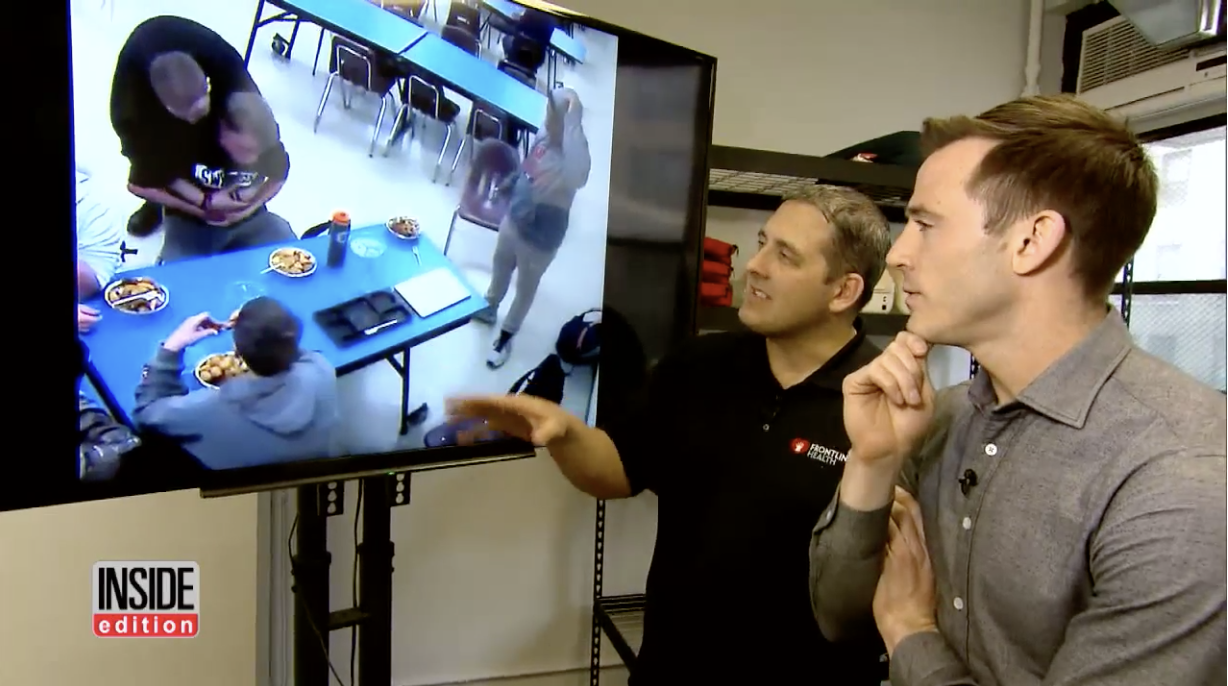
Frontline Health Featured on National TV - Again!
As a training center with over two decades of experience training thousands of students in CPR and First Aid, Frontline Health is often asked by local and national news outlets to discuss life-saving techniques.
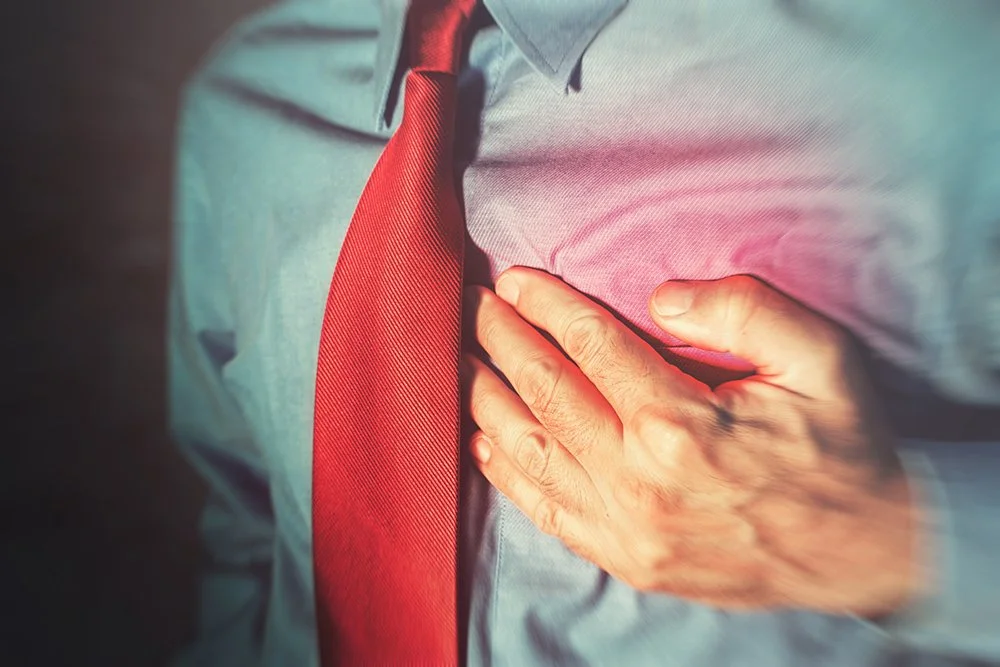
Heart Attacks: How to Save a Life
According to the American Heart Association, each year about 635,000 people experience a new heart attack in the United States. An astounding 1 out of 7 deaths in the U.S. is caused by coronary heart disease (AHA). Learning how to recognize and treat a heart attack can save the life of a friend or loved one.